For people
who want to talk.
A clear source for journalists, interviewers, event organisers, and people interested in the author behind the books.
Johan writes about people, connection, and the moments that change a life.
For interviews, images, approved topics, and event enquiries, please get in touch.
Make a press enquiry ↗Words you can
use.
Editable source material for journalists, interviewers, and event organisers. Open a document to read and copy the text you need.
01Short biographyFor listings, introductions, and short articles.↗
Short biography
Johan Raubal is a British-based writer whose fiction explores the small moments that reveal who people are: a conversation, a silence, a choice made quietly. He is the author of Hannah and The Gentle Orbit, character-driven novels concerned with love, resilience, vulnerability and the complexity of human connection.
© 2026 Johan Raubal. Reproduction permitted for editorial use with attribution.
02Standard biographyThe usual press and event biography.↗
Standard biography
Johan Raubal is a British-based writer and the author of Hannah and The Gentle Orbit.
His fiction is concerned with people and the small moments that reveal them: the conversation that changes something without announcing it, the difficult choice made quietly, the things people cannot quite bring themselves to say.
Raubal's debut novel, Hannah, was published in November 2025. His second novel, The Gentle Orbit, follows two people across nearly two decades as their lives repeatedly intersect through friendship, love, loss and survival.
Raubal's writing is character-driven and restrained, leaving space for the reader rather than explaining what they should feel. His work frequently explores emotional resilience, vulnerability, domestic abuse and coercive control, and the complicated forms that love and family can take over time.
Alongside his fiction, Raubal writes and speaks about leadership, organisational change and the human consequences of transformation.
© 2026 Johan Raubal. Reproduction permitted for editorial use with attribution.
03Full biographyA longer account of the work and the writer behind it.↗
Full biography
Johan Raubal is a British-based writer whose work begins with people rather than plots.
He is interested in the small moments that reveal us: a stranger missing from a train platform, a difficult choice made quietly, a conversation that changes something without announcing itself. His fiction follows ordinary people as their lives move somewhere they had not expected, leaving space for the reader to decide what those moments mean.
His debut novel, Hannah, was published in November 2025. It follows two people who have withdrawn from intimacy for different reasons and the tentative relationship that develops when neither is particularly prepared to risk being known again.
His second novel, The Gentle Orbit, follows Michael and Anna across nearly two decades. Beginning with their meeting on a beach in Ibiza, it traces two lives that repeatedly move towards and away from one another, through friendship, other relationships, family life, abuse, loss and survival.
Raubal's fiction is characterised by emotional restraint and an interest in what remains unsaid. Rather than treating violence, trauma or intimacy as spectacle, his work is often concerned with what follows: the ordinary morning afterwards, the choices that still have to be made, and the ways people accommodate experiences they cannot simply leave behind.
Some of that perspective is informed by personal experience. Raubal has written about growing up around alcoholism, domestic violence and coercive control, experiences that inform his understanding of fear, resilience and the complicated choices people make from inside difficult circumstances.
Alongside his fiction, Raubal draws on three decades spent working in and around large organisations, advising leaders through periods of organisational change and transformation. That experience — of institutions, power, leadership and the people navigating them — provides another lens through which he writes about human behaviour. He is also the author of Stay the Course: Leadership in Transformative Times and continues to write and speak about leadership and change.
Across both fiction and non-fiction, the question underlying much of his work remains remarkably similar: what do people do when life takes them somewhere they never planned to be?
© 2026 Johan Raubal. Reproduction permitted for editorial use with attribution.
04Interview topicsPossible routes into the books, craft, and conversation.↗
Interview topics
Why I write about what happens afterwards
Violence, trauma and intimacy are often used as dramatic events. Johan's fiction is more interested in what happens after the event has passed: the next morning, the decisions still waiting to be made, and the ways people continue ordinary lives around extraordinary experiences.
This gives an interviewer routes into Hannah, The Gentle Orbit, restraint in fiction, depicting violence without spectacle, and your own experience without making the personal history the headline.
Writing people rather than plots
Johan describes his fiction as beginning with people rather than plots. Characters make choices, circumstances change, and the story follows the consequences rather than forcing them towards a predetermined destination.
That's a good craft conversation: character agency, discovery while writing, why apparently small moments matter, what you leave unsaid, and your willingness to let readers reach conclusions without telling them what to think.
What does a writer ask of the reader?
Stories can ask readers to experience grief, fear, violence, longing and loss. When has a writer earned the right to impose that emotional cost — and when does it become manipulation?
I particularly want this one because it comes from something you genuinely think about rather than something we've reverse-engineered for publicity. It gives you the wonderful John le Carré/The Constant Gardener route and your idea of the “tax” a writer asks the reader to pay. It also explains quite a lot about your own restraint as a novelist.
Starting again later in life
After three decades working in and around large organisations, Johan published his first novel in his fifties and subsequently built a writing and publishing life alongside his work in leadership and organisational change.
This isn't the ghastly “it's never too late to follow your dreams!” version. There's a much better conversation here about accumulated experience, permission to try, becoming visible, changing professional identity, and what you know at 57 that you couldn't possibly have written at 27.
What organisations teach us about people
Thirty years around leadership, transformation and large organisations gave Johan another laboratory for watching human behaviour: power, fear, loyalty, status, uncertainty, institutional pressure and what people do when circumstances change around them.
That connects the fiction and non-fiction beautifully without pretending the novels are disguised management books. It's also where Stay the Course becomes relevant.
When life doesn't follow the plan
Across Johan's fiction and non-fiction sits a recurring question: what do people do when life takes them somewhere they never planned to be?
© 2026 Johan Raubal. Reproduction permitted for editorial use with attribution.
05Authorised extract: The Beach WalkAn authorised extract from The Gentle Orbit.↗
Authorised extract
Day 2 – The Beach Walk
It was mid-afternoon when I saw her.
She was sitting alone on the low stone wall where the sand gave way to concrete, her feet swinging slightly—not enough to be restless, just that slow movement of someone who had decided to wait.
I had noticed her before—a white shirt in an airport crowd, sunglasses on a bus, a presence at the edge of a table. Always at a distance.
Never close.
Until now.
This was the first time there was space around her.
The first time she was on her own.
The breeze caught her hair and lifted it, then let it fall again. She wore no sunglasses. I had not properly seen her eyes before. Grey, perhaps. Or blue. They changed with the light.
She did not look posed. She did not look aware of being looked at.
She just looked… there.
I had a small paper bag of currants in my hand—something I had bought without thinking. I did not really want them. They had become something to do with my fingers.
I walked over.
“Hey,” I said. “You waiting for the others?”
She turned, studied me for a fraction longer than politeness required.
And then she smiled.
“Mike, right? You’re with Sam and Alex?”
I felt it—quick and bright. She knew my name.
I smiled, nodded, tried to act normal. “Yeah. That’s right.”
She looked at me then, held my gaze a fraction longer than necessary—calm, unhurried.
“I’m Anna,” she said, and offered her hand like it was the most natural thing in the world.
I took it. Warm, light grip. No rush to let go.
“You want to walk?” she asked. “I don’t feel like sitting anymore.”
That was it. No invitation, no setup. Just a simple choice: move forward, or not.
And somehow, before I had properly thought about it, I said, “Yeah. Sure.”
I tossed the currants in a nearby bin, and we started down the beach together.
We crossed the road in silence, the kind that did not feel awkward. Just light, easy. The sun had dipped slightly, giving the afternoon a soft warmth, the shadows just a little longer than before. Our feet crunched on gravel before spilling into sand.
About halfway down the path towards the beach, I spotted a small ice cream kiosk tucked between two leaning palms. It had a crooked umbrella and a faded hand-painted sign with prices that looked more hopeful than accurate.
I slowed a little. “Ice cream?”
She turned to me, considering. “Is this a bribe or a gesture?”
I smiled. “Clearly a gesture. I don’t have enough charm for bribes.”
She grinned at that—the wide, unfiltered kind that landed squarely under my ribs.
“Not so sure about that.” There was a moment’s pause before she continued: “Alright, but I pick the flavour.”
I nodded and stepped up to the counter.
Inside, an older woman looked at me like she had seen every kind of tourist. Twice. I glanced over the tubs. “What are you having?” I asked, turning slightly.
“Something citrus,” Anna said. “Lemon or lime. Sharp and clean.”
I looked back at the display. “No lime. But there’s lemon… or blood orange.”
“Ooh. Blood orange,” she said, pleased. “That’s perfect.”
“You like the tart ones.”
“I like things that wake you up,” she replied, already slipping off her sandals and letting her toes sink into the warm sand.
I ordered one blood orange for her, then hesitated.
“What about you?” she asked.
“I was thinking blackcurrant. Or raspberry.”
She wrinkled her nose, mock-disapproving. “Too sweet, soft, not a clean flavour.” She looked at me like she was deciding something. “…but okay, I will let you off, this once.”
“Says the woman eating blood orange.”
“That has teeth,” she said with a warm smile. “Raspberry’s just sweet pretending to be grown-up.”
I raised an eyebrow. “So what does that make me?”
She tilted her head, the corners of her mouth twitching.
“I think that is… still to be determined,” she said, the smile still radiating.
I ordered a raspberry anyway.
From The Gentle Orbit by Johan M Raubal. © 2026 Johan Raubal. Reproduction permitted for editorial coverage with attribution.
A conversation
worth having.
Images for
your story.
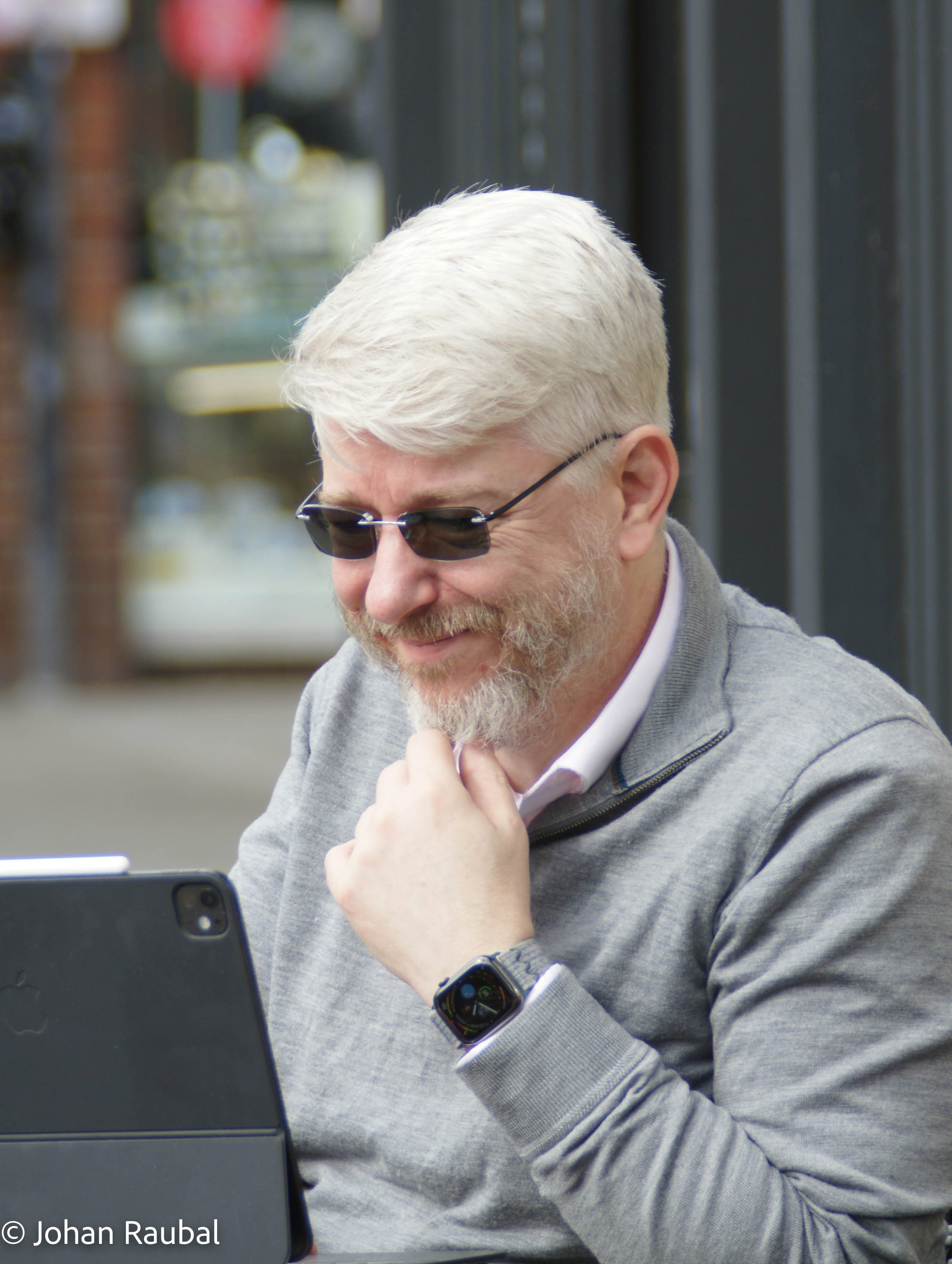
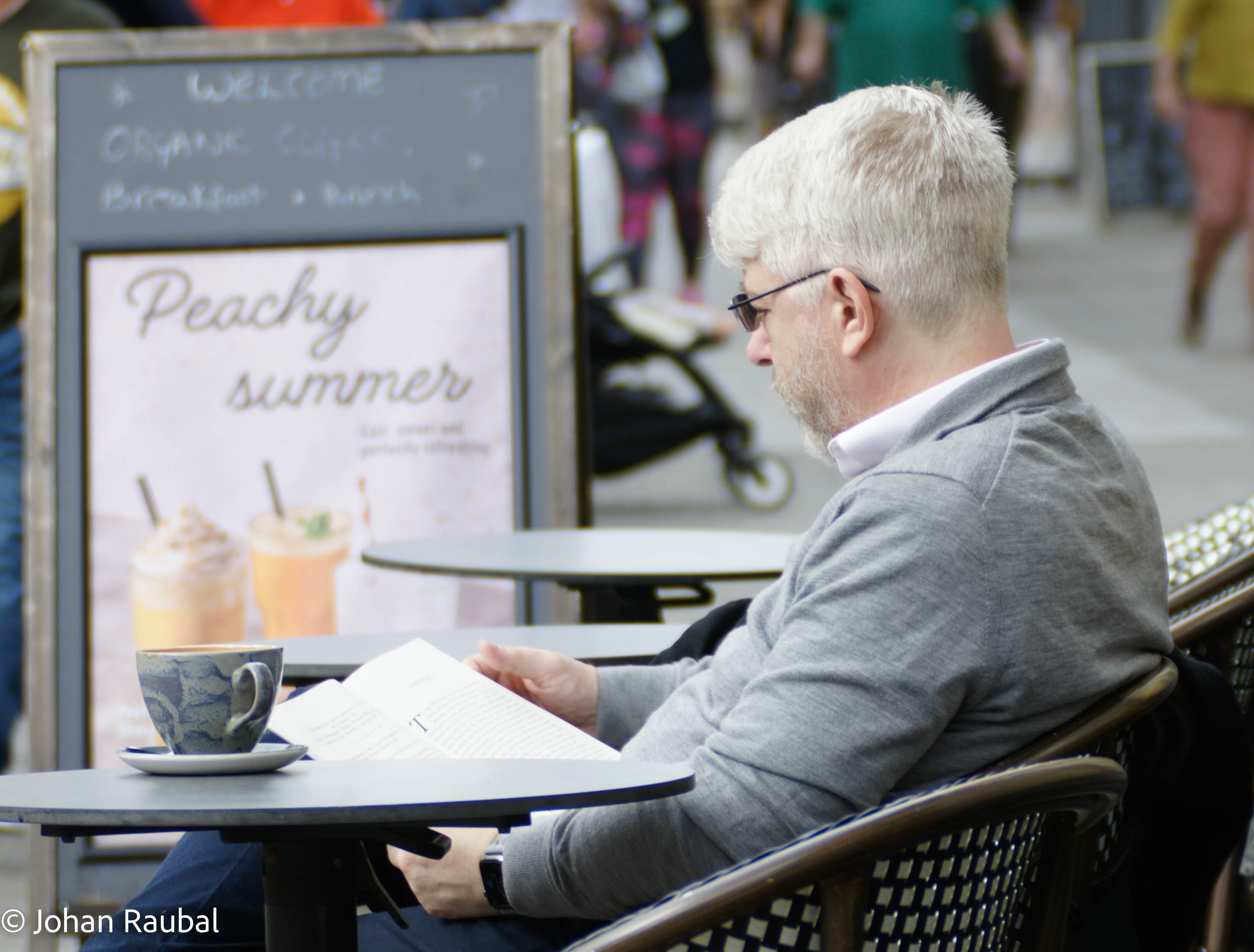
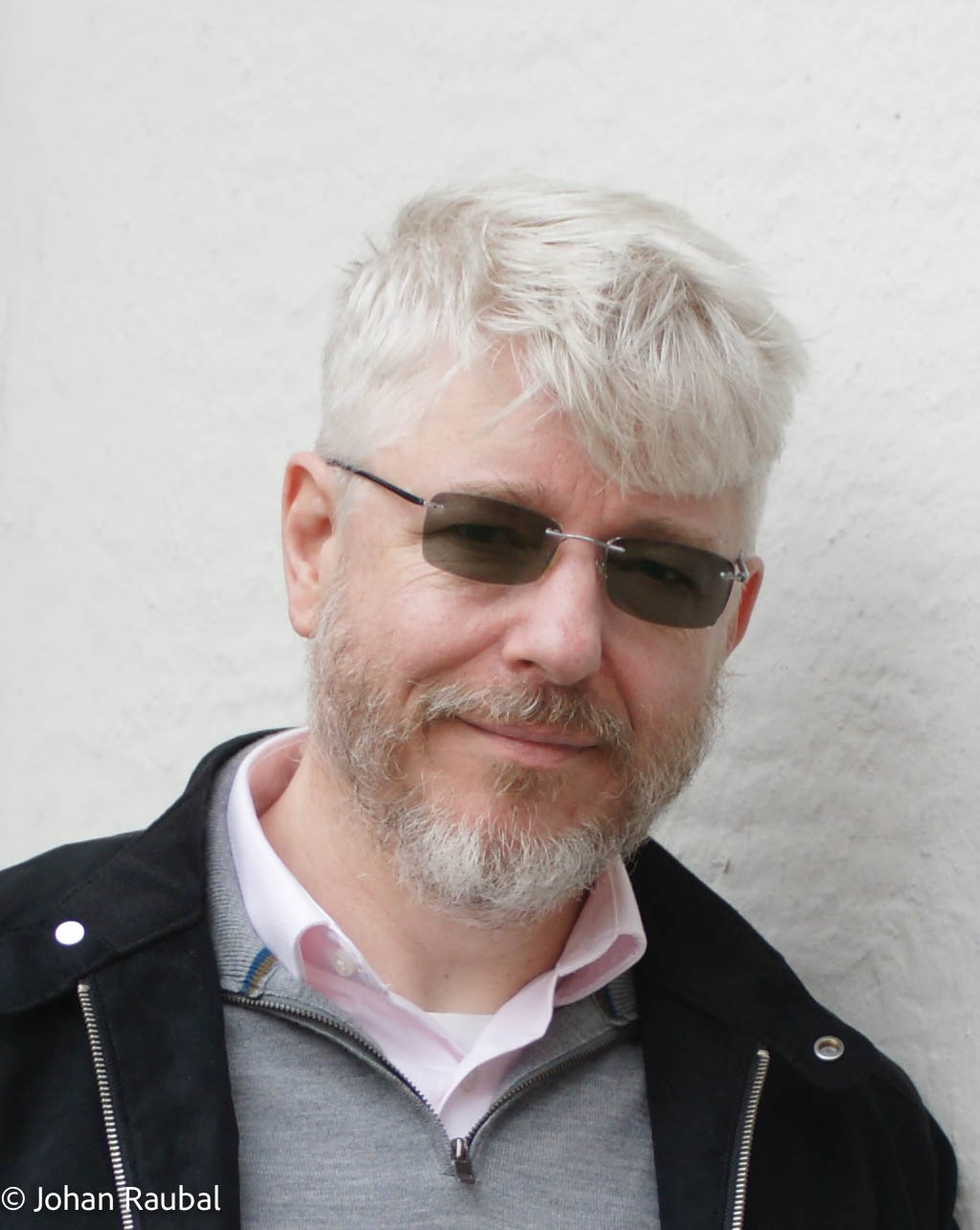
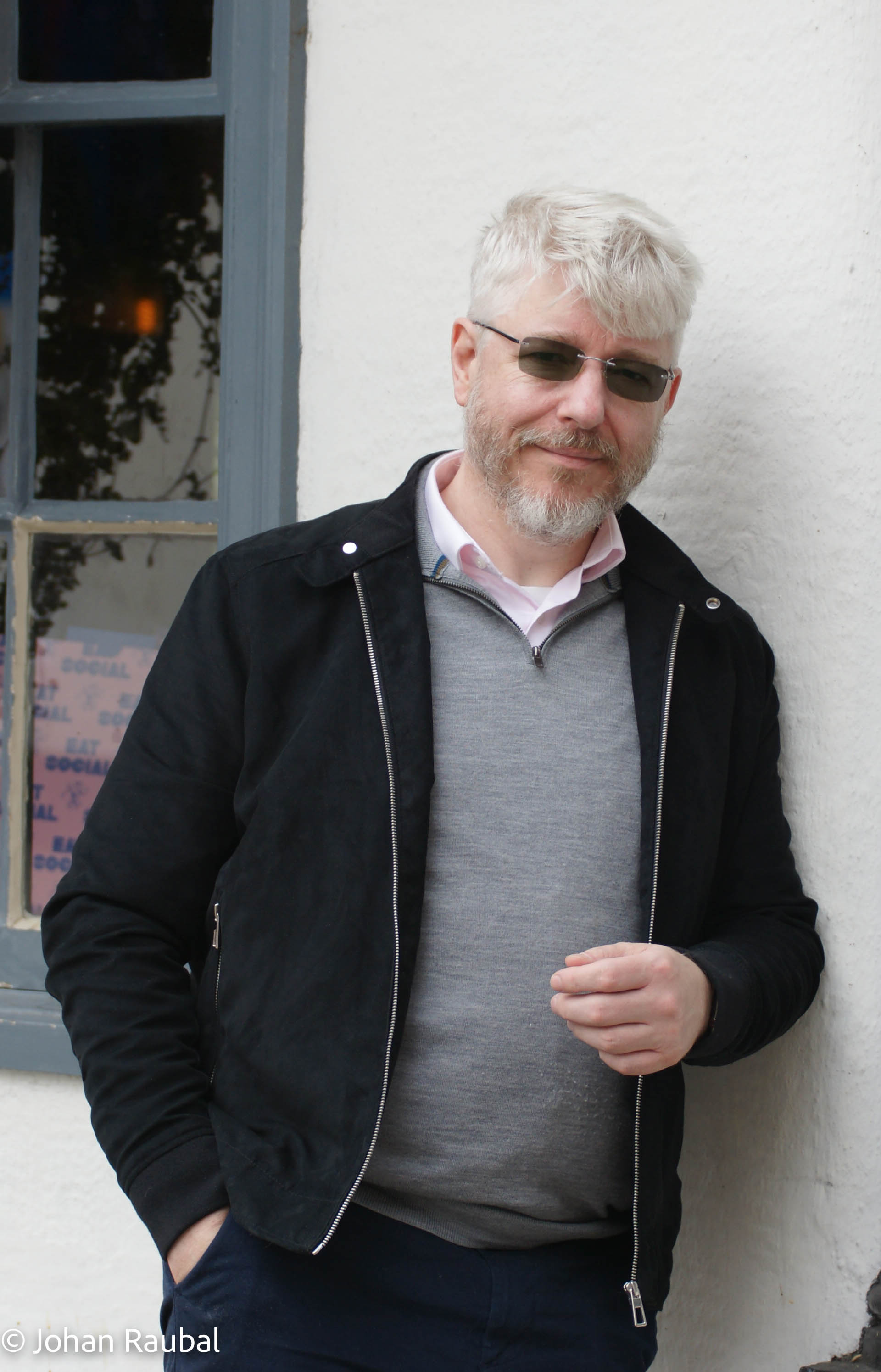
Watermarked photographs for editorial and event coverage. Select an image to view it full-size, or download the file.